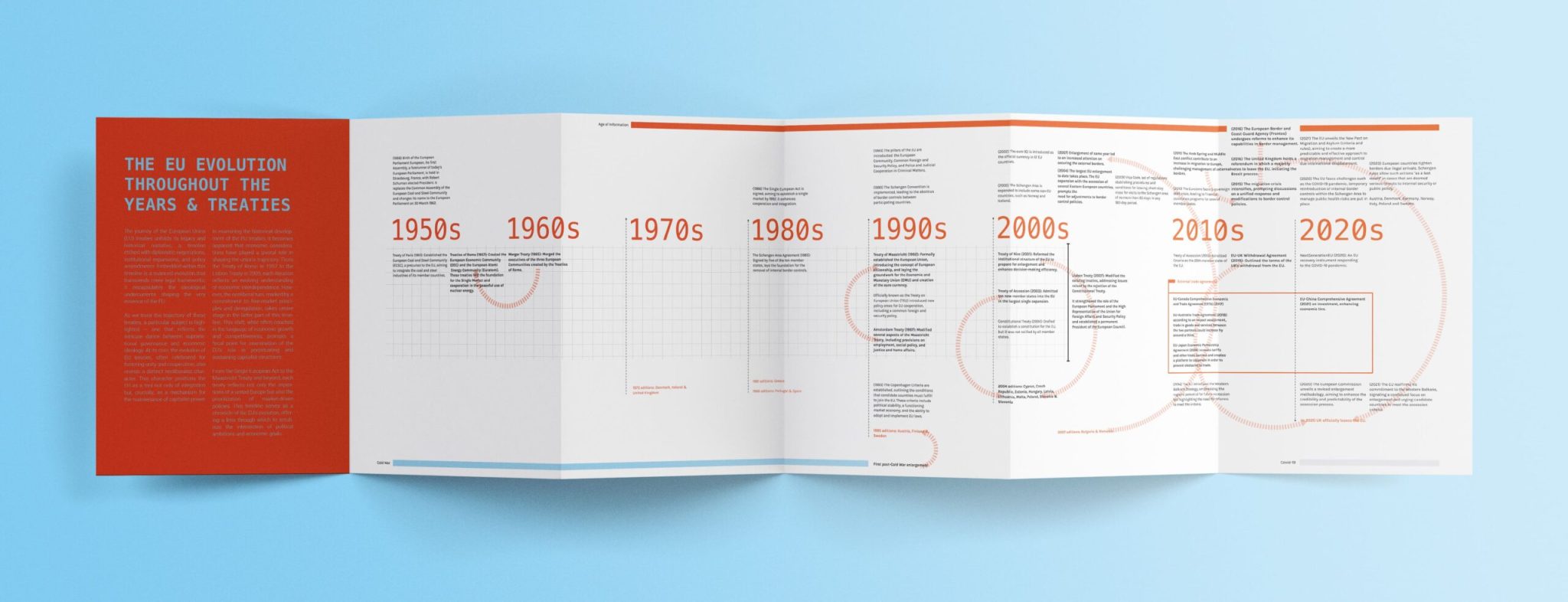
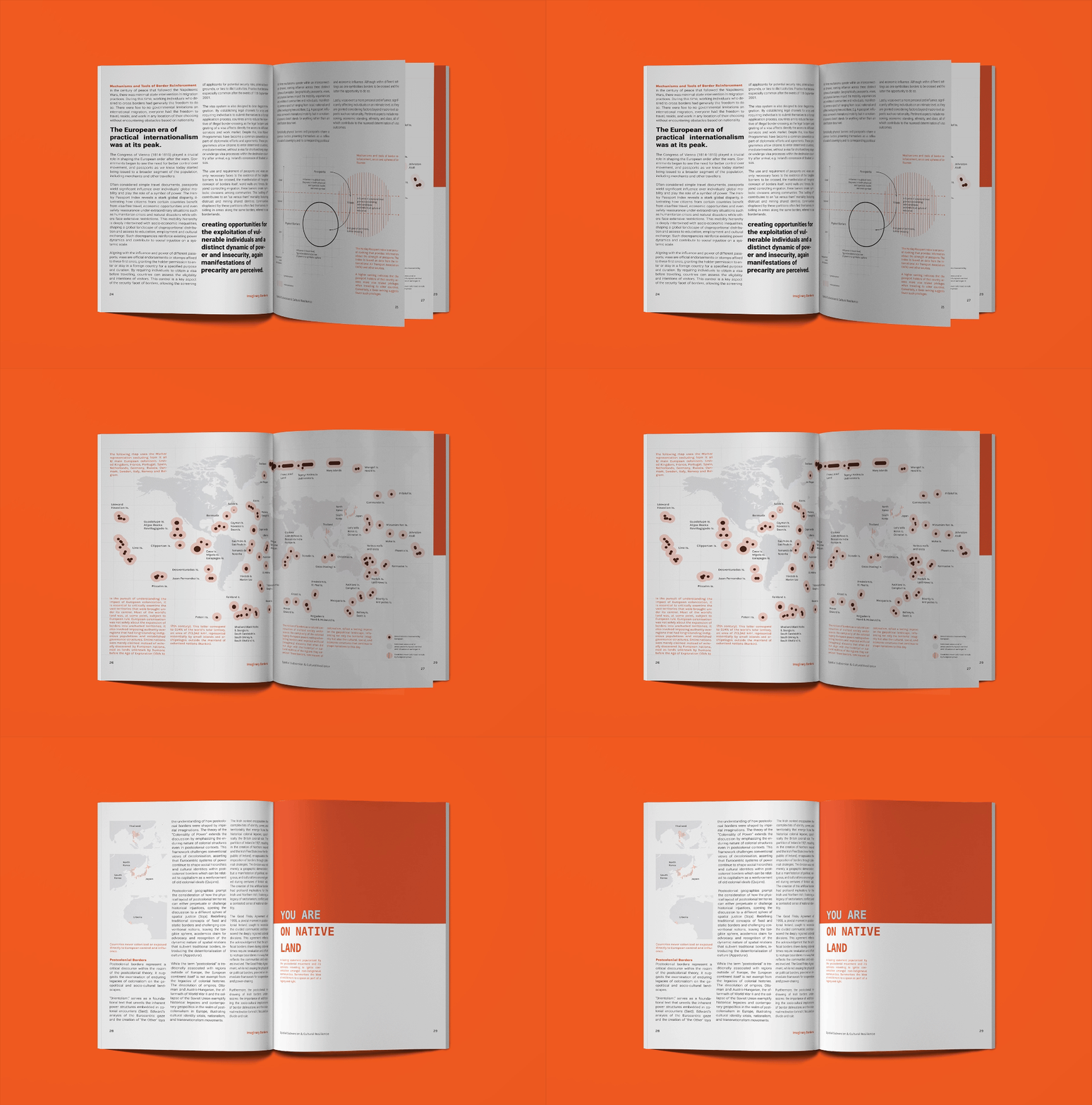
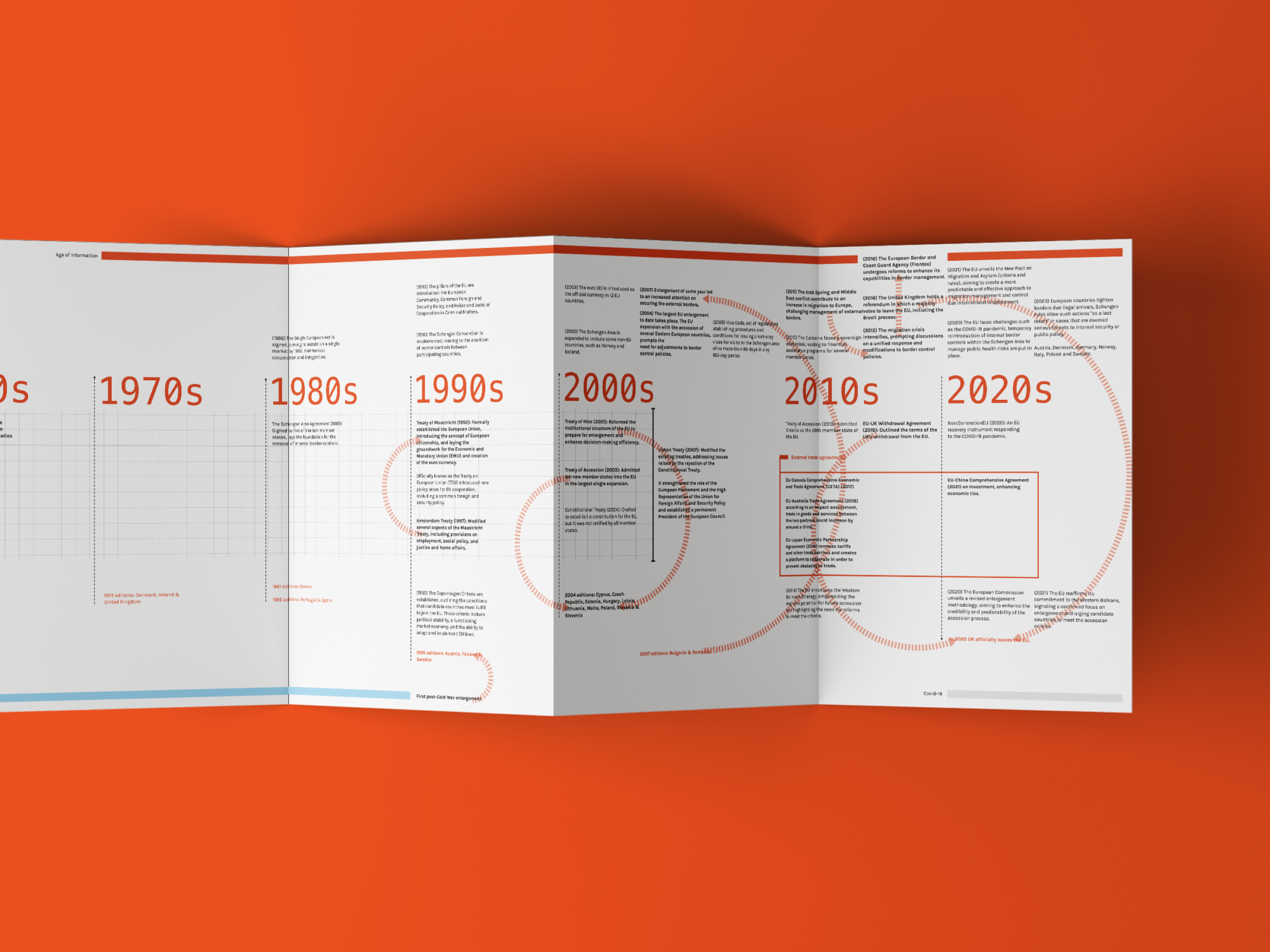
The research approaches borders not as fixed lines on a map, but as social, political and cultural systems shaped by history, power and lived experience. A mixed-methods design research approach was used to examine the historical construction of borders, the mechanisms that regulate movement and the ways these systems are experienced by individuals and communities. The research explored the legacy of European colonialism and how imposed territorial divisions continue to influence cultural, social and economic structures. Passports, visas and physical borders were also examined as tools that organise mobility and reinforce unequal access to movement across different contexts.